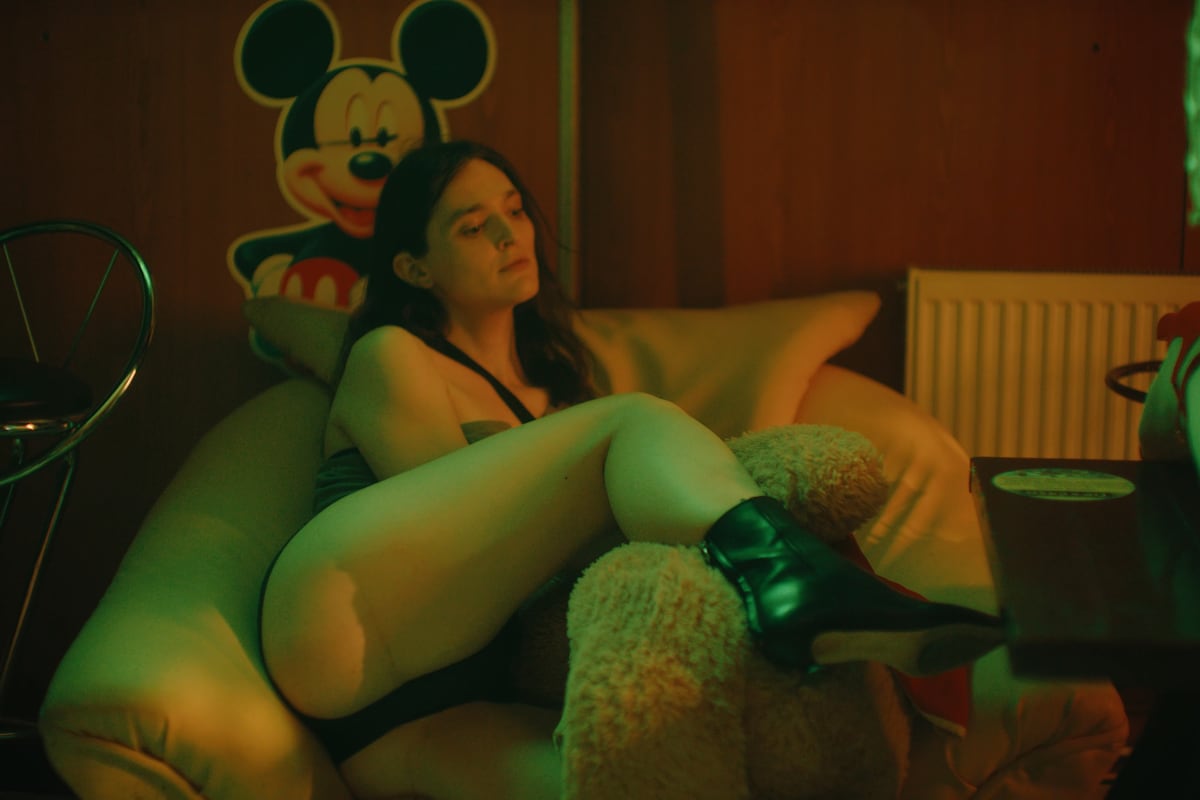
In the heart of Bucharest, a vibrant and resilient queer nightlife scene is flourishing within the city’s forgotten and abandoned Soviet-era structures. These hidden backrooms serve as clandestine venues where LGBTQ+ individuals gather to celebrate freedom, identity, and community away from mainstream scrutiny.
Many of these spaces are located in derelict buildings scattered across the city, often in areas that have been left untouched for decades. These locations provide a unique backdrop for underground parties, art installations, and social gatherings that challenge conventional norms and foster a sense of belonging among attendees.
The use of abandoned Soviet-era buildings for queer nightlife is not accidental. These structures symbolize a history of repression and suppression, making their transformation into spaces of liberation and expression all the more powerful. Participants often describe the experience as a form of resistance, reclaiming spaces that were once associated with oppression.
Events are typically organized through word-of-mouth and encrypted online channels to maintain secrecy and safety. Attendees dress in eclectic styles, blending vintage, punk, and contemporary fashion, creating a vibrant visual tapestry that reflects the diversity of the community.
Music plays a central role in these gatherings, with DJs spinning a mix of electronic, house, and experimental sounds that energize the crowd. The atmosphere is charged with a sense of freedom and rebellion, as participants dance and socialize late into the night under the cover of darkness.
Artists and performers also utilize these spaces to showcase their work, turning abandoned rooms into temporary galleries and stages. This artistic expression further enriches the scene, emphasizing themes of resilience, identity, and liberation.
Despite the risks involved, the community continues to thrive, driven by a desire for safe spaces where they can be authentic without fear of judgment or persecution. Authorities have occasionally attempted to shut down these gatherings, but the community’s resilience and ingenuity ensure their persistence.
Overall, Bucharest’s hidden queer backrooms represent a powerful symbol of resistance and community-building. They highlight the ongoing struggle for LGBTQ+ rights and acceptance, while also showcasing the creativity and courage of those who refuse to be silenced or marginalized.
As the scene continues to evolve, it remains a testament to the enduring spirit of the city’s queer community—finding light in the shadows and transforming forgotten spaces into sanctuaries of expression and solidarity.